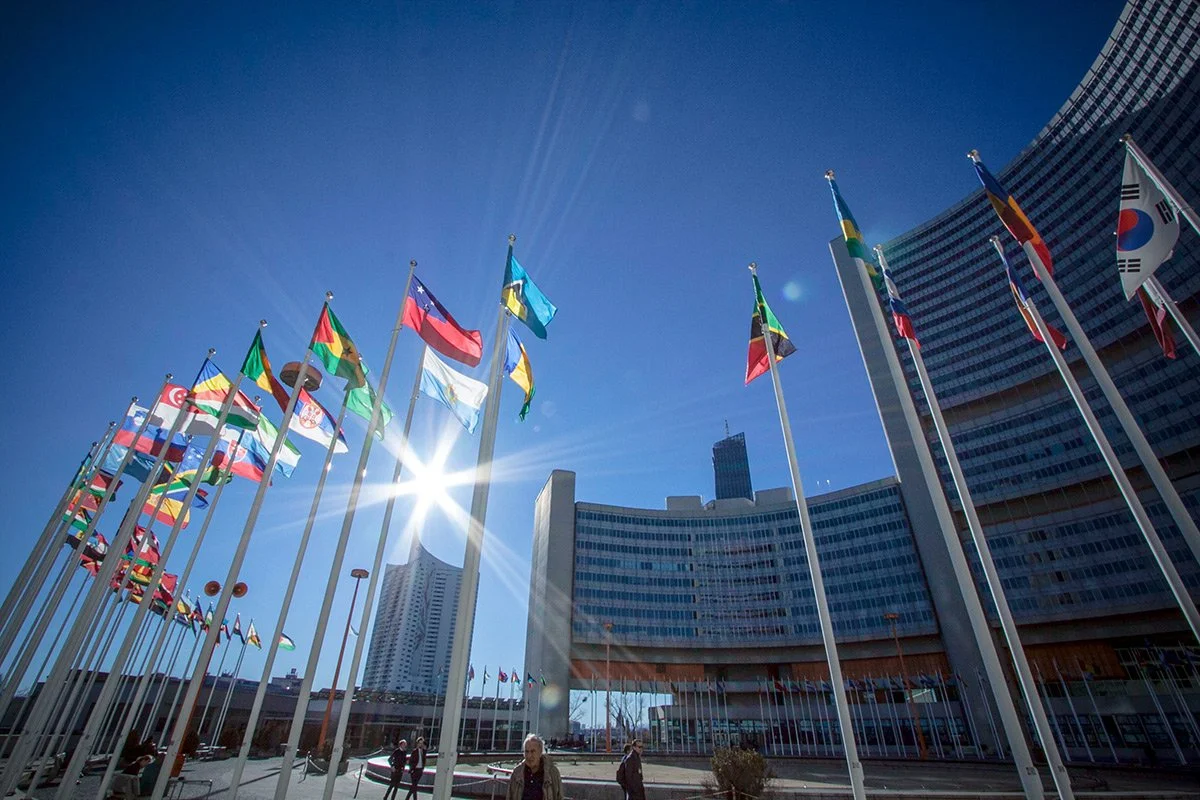
United Nations Office for Drugs and Crime (UNODC) Details
What Is the United Nations Office for Drugs and Crime (UNODC)?
The United Nations Office on Drugs and Crime (UNODC) is a vital entity within the United Nations system, dedicated to addressing issues related to drugs, crime, and terrorism. Its mandate includes assisting member states in combating illicit trafficking, organized crime, corruption, and corruption, while promoting justice, human rights, and the rule of law. The UNODC supports international cooperation through research, advocacy, and technical assistance, working closely with governments and international organizations to strengthen legal frameworks and enhance criminal justice systems. By fostering global partnerships, the UNODC plays a crucial role in promoting safer and more just societies worldwide.
Topics
Combatting the human trafficking of refugees and migrant workers in the Middle East.
This topic involves addressing the complex issue of human trafficking affecting refugees and migrant workers in the Middle East. It examines the legal, social, and economic factors that contribute to trafficking, including vulnerabilities faced by displaced populations, recruitment methods used by traffickers, and gaps in regional protection frameworks. The discussion encompasses the roles of domestic governments, international organizations, and civil society in prevention, victim support, and prosecution of traffickers. Challenges such as limited resources, inadequate enforcement, corruption, and cross-border coordination are analyzed. The topic also explores the broader implications for human rights, regional security, and migration policies in the Middle East.
Combatting the Afghan illegal drug trade
Combatting the Afghan illegal drug trade: The next stages of the strategy against illegal narcotics in Afghanistan must urgently address the root causes driving the trade, including poverty and weak governance. Essential reforms are needed to strengthen Afghan institutions with transparent, accountable leadership committed to eradicating drug production and trafficking. Security measures must include enforceable protections against armed groups involved in the trade, supported by robust international cooperation and oversight. A phased approach targeting the dismantling of drug networks is crucial, tied to clear progress in governance and security that prioritizes the rights and well-being of Afghan communities. Lasting success depends on a comprehensive strategy recognizing the socio-economic factors fueling the trade and backed by a genuine international commitment to sustainable development and stability.