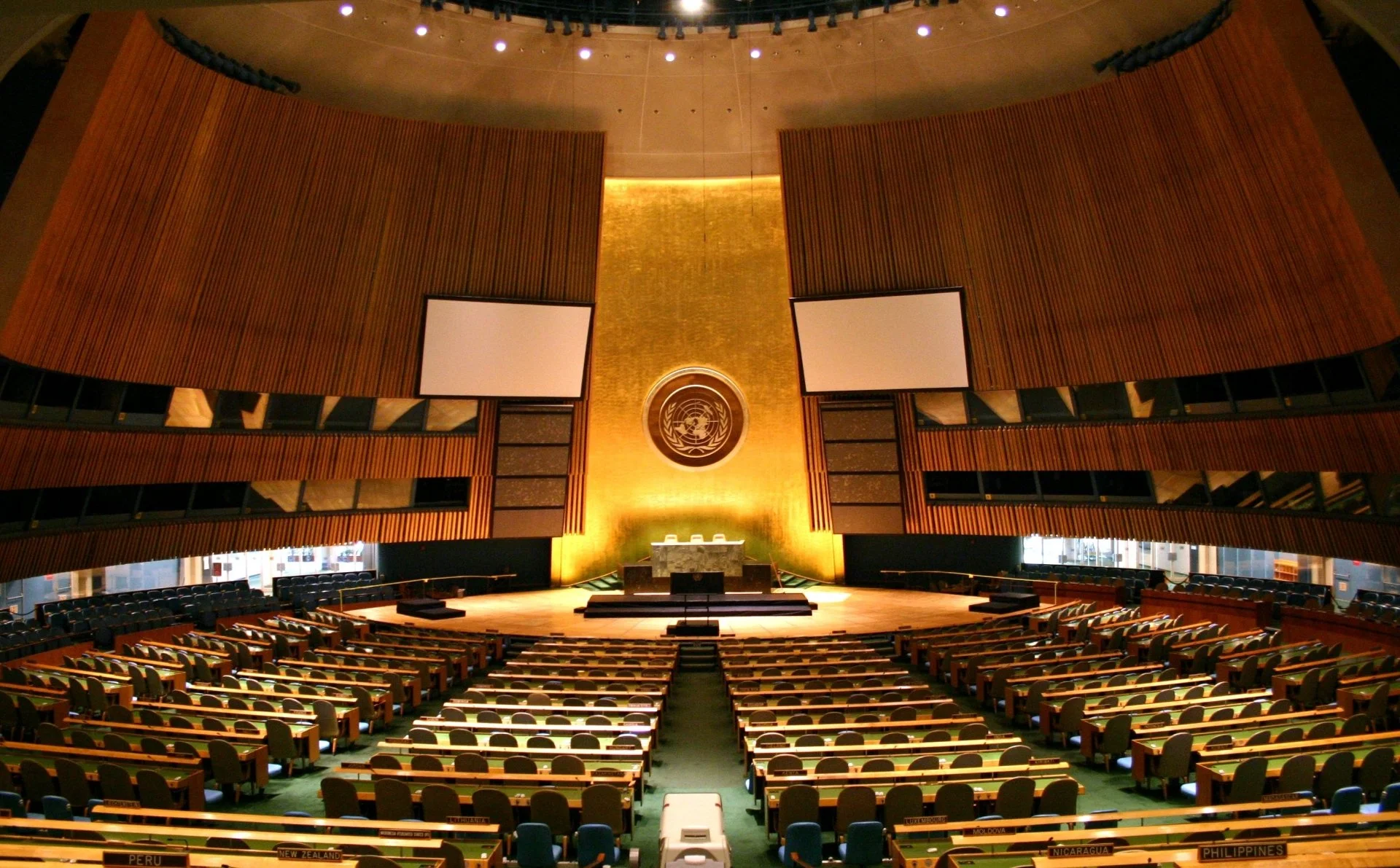
United Nations General Assembly 1 (DISEC) Details
What Is the United Nations General Assembly 1 (DISEC)?
The United Nations General Assembly First Committee (DISEC) focuses on disarmament and international security issues. It addresses matters related to arms control, disarmament, and the regulation of conventional and non-conventional weapons. DISEC serves as a platform for member states to discuss and negotiate measures aimed at reducing global threats and promoting peace through multilateral cooperation. The committee comprises all UN member states, providing a broad representation of the international community. DISEC's work is essential in fostering dialogue on security challenges and advancing efforts towards disarmament and non-proliferation within the framework of international law.
Topics
Preventing the manufacturing and use of chemical and biological weapons.
This topic involves evaluating the international frameworks and national policies aimed at preventing the manufacturing and use of chemical and biological weapons. It examines the effectiveness of existing treaties and agreements, such as the Chemical Weapons Convention (CWC) and the Biological Weapons Convention (BWC), in promoting non-proliferation and disarmament. The topic also explores the challenges in verification, compliance, and enforcement mechanisms, including the role of international organizations and inspections. Additionally, it considers the ethical, security, and humanitarian implications associated with chemical and biological weapons, alongside strategies to enhance global cooperation, strengthen legal frameworks, and mitigate risks of proliferation by state and non-state actors.
Response to Houthi interference with global trade
The international community must urgently respond to Houthi interference with global trade, which threatens maritime security and economic stability. Robust diplomatic efforts are required to hold violators accountable and ensure adherence to international maritime law. Strengthening regional cooperation and enhancing surveillance capacities can prevent disruptions and safeguard critical shipping lanes. Sanctions and targeted measures should focus on deterring further attacks and promoting dialogue toward peaceful resolution. Global trade depends on secure and open sea routes, making collective responsibility and sustained international engagement essential to restoring order and protecting commerce.