African Union (AU) Details
What Is the African Union (AU)?
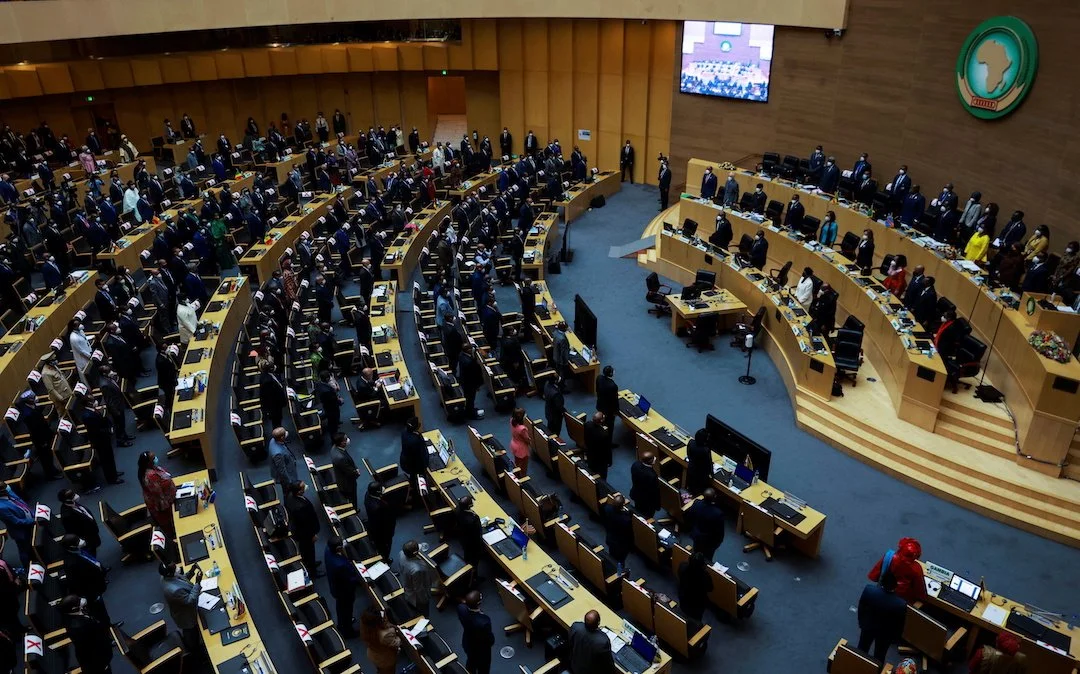
The African Union (AU) is a continental organization established to promote unity, peace, and development among African countries. It aims to foster political and economic integration, enhance cooperation, and address common challenges across the continent. The AU is composed of 55 member states, representing all countries in Africa, and operates through various organs, including the Assembly of Heads of State and Government, the Executive Council, and the Pan-African Parliament. The Union is actively involved in conflict resolution, peacekeeping missions, and the promotion of human rights, striving to create a stable and prosperous Africa underpinned by democratic governance and sustainable development.
Topics
Resolving conflict regarding Nile water distribution between Egypt and Ethiopia
This topic involves evaluating the possibilities and conditions under which disputes regarding Nile water distribution between Egypt and Ethiopia could be resolved. It examines the diplomatic, legal, and environmental factors that influence negotiations, including the interests and concerns of each country, the role of regional and international mediators, and the frameworks necessary to implement and monitor agreements. It also considers the challenges to achieving a sustainable resolution, such as disparities in water needs, historical agreements, and enforcement mechanisms, as well as the broader implications for regional cooperation, water security, and geopolitical stability in the Nile basin.
Addressing the coups and foreign intervention in the Sahel region and Congo
Addressing the coups and foreign intervention in the Sahel region and Congo requires urgent, coordinated international action to restore stability and sovereignty. Robust governance reforms are essential to rebuild affected institutions with transparent, accountable leadership, preventing further power vacuums exploited by non-state actors. Security efforts must prioritize protection of civilians, with enforceable mechanisms overseen by international bodies to deter violence and abuses. Any foreign involvement should be strictly regulated, promoting regional ownership and respect for sovereignty. Sustainable peace hinges on supporting inclusive political processes that empower local populations, alongside committed global engagement aimed at justice, development, and long-term stability.