General Assembly 6 (Legal Committee) Details
What Is the General Assembly 6 (Legal Committee)?
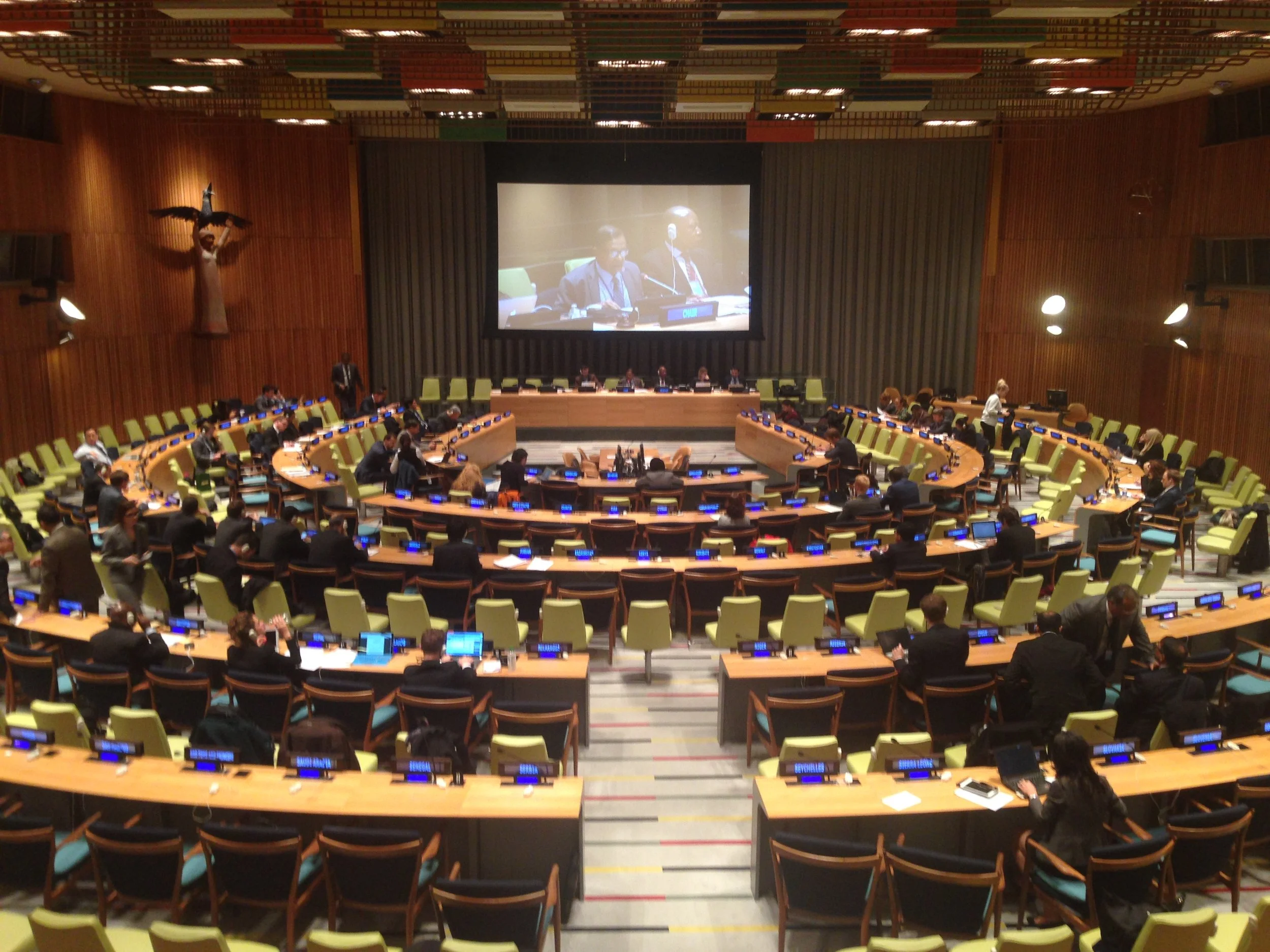
The United Nations General Assembly Sixth Committee, also known as the Legal Committee, is the primary forum for considering legal questions within the United Nations. It addresses matters related to international law, covering issues such as the development and codification of international legal norms, the rule of law at the international level, and the legal aspects of peace and security. The committee is composed of all 193 UN member states, providing a comprehensive and inclusive platform for dialogue. The Sixth Committee plays a pivotal role in shaping treaties, conventions, and legal instruments that govern international relations and promote justice and accountability worldwide.
Topics
Determining the scope, application, and means of enforcement for universal jurisdiction.
This topic entails an in-depth analysis of the scope, application, and enforcement mechanisms of universal jurisdiction within international law. It focuses on defining which crimes fall under universal jurisdiction, the legal frameworks that empower states to exercise such jurisdiction regardless of where the crimes occurred or the nationality of perpetrators and victims, and the conditions that justify its invocation. The discussion includes challenges related to sovereignty, state consent, and conflicting national laws, alongside the roles played by international courts and tribunals. Furthermore, it addresses enforcement issues such as arrest, prosecution, and extradition procedures, the cooperation between states, and the political and diplomatic implications of applying universal jurisdiction. The topic also explores potential safeguards to prevent misuse and ensure that this principle contributes effectively to global justice and accountability.
Addressing violation of the United Nations Convention on the Law of the Sea.
Addressing violations of the United Nations Convention on the Law of the Sea requires urgent international attention to uphold maritime law and protect sovereign rights. Effective enforcement mechanisms must be implemented to prevent unauthorized activities such as illegal fishing, resource exploitation, and territorial encroachments. Strengthening coastal state governance with transparent, accountable maritime oversight is essential to ensure compliance. Security measures should include coordinated multinational patrols and dispute resolution frameworks backed by the UN to deter violations. Constructive dialogue and adherence to the Convention’s provisions will foster maritime stability and cooperation, protecting the rights and interests of all nations involved. Lasting peace and security at sea depend on a united global commitment to respect international law and resolve conflicts through diplomatic means.