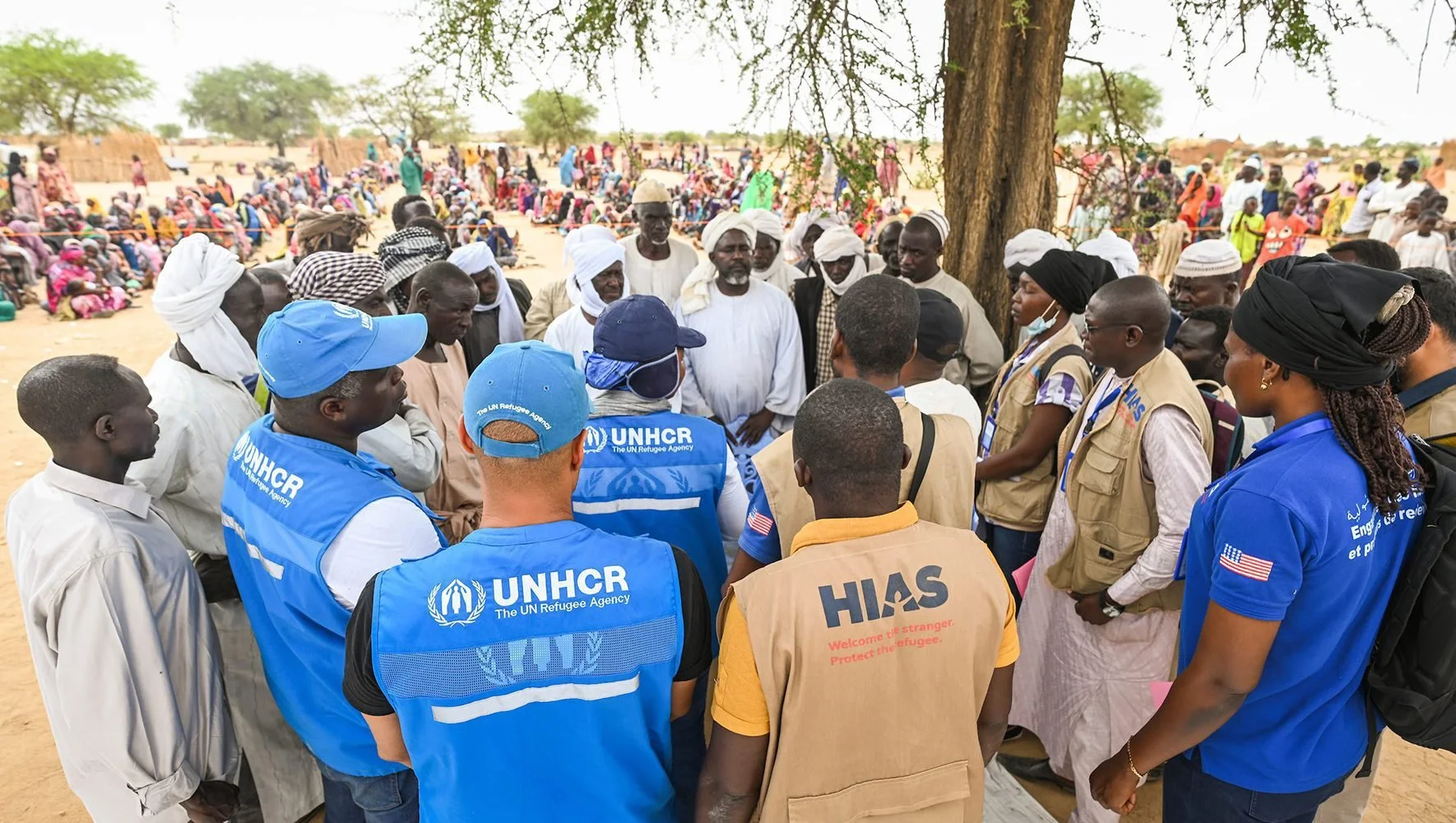
United Nations High Commission for Refugees (UNHCR) Details
What Is the United Nations High Commission for Refugees (UNHCR)?
The United Nations High Commissioner for Refugees (UNHCR) is a vital agency within the United Nations system, dedicated to protecting and supporting refugees, displaced persons, and stateless individuals worldwide. Its primary mission is to safeguard the rights and well-being of those forced to flee their homes due to conflict, persecution, or human rights violations. Established in 1950, UNHCR provides emergency assistance, facilitates durable solutions such as voluntary repatriation, local integration, or resettlement, and advocates for international protection standards. The agency operates globally, often in collaboration with governments, NGOs, and other UN bodies, playing a crucial role in alleviating human suffering and promoting the dignity and rights of displaced populations.
Topics
Addressing search and rescue for refugees in the Mediterranean region.
This topic involves evaluating the strategies and frameworks necessary to enhance search and rescue operations for refugees in the Mediterranean region. It examines the humanitarian, logistical, and political factors impacting rescue efforts, including coordination between coastal states, international organizations, and non-governmental actors. The topic also addresses challenges such as maritime jurisdiction disputes, resource limitations, and the risks posed by irregular migration routes. Furthermore, it considers the implications of search and rescue policies on refugee safety, human rights, and regional cooperation, alongside the broader goals of reducing loss of life and ensuring timely and effective responses to emergencies at sea.
Preventing the unlawful deportation or persecution of immigrants.
Preventing the unlawful deportation or persecution of immigrants requires immediate action grounded in international human rights standards. Robust legal frameworks must be enforced to protect immigrants from arbitrary detention and forced removal. Authorities should implement transparent procedures with effective oversight to ensure due process and prevent abuses. Comprehensive policies are needed to safeguard vulnerable populations, including asylum seekers and refugees, from discrimination and violence. International cooperation and monitoring are essential to hold states accountable and uphold immigrant rights. Building trust and security hinges on respecting human dignity and fostering inclusive societies that reject persecution in all its forms.