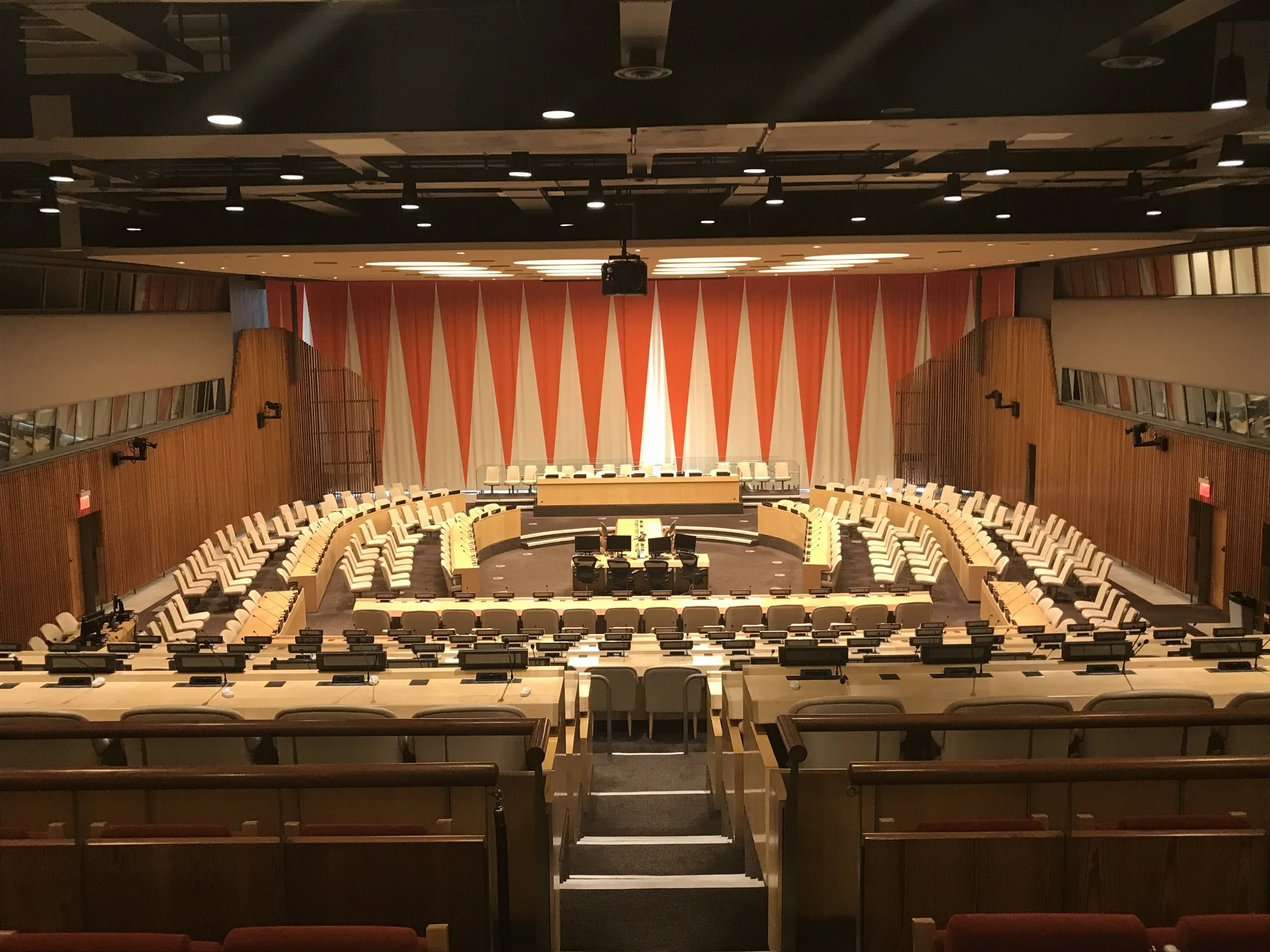
United Nations Economic and Social Council (ECOSOC) Details
What Is the United Nations Economic and Social Council (ECOSOC)?
The United Nations Economic and Social Council (ECOSOC) is a central platform for promoting international economic and social cooperation and development. It coordinates the work of various specialized agencies, functional commissions, and regional commissions within the United Nations system. ECOSOC consists of 54 member states elected by the General Assembly for three-year terms, ensuring representation from all regions of the world. The council addresses issues such as sustainable development, human rights, economic growth, and social progress. By facilitating dialogue among governments, NGOs, and international organizations, ECOSOC plays a vital role in shaping global policies aimed at improving living standards and achieving the Sustainable Development Goals.
Topics
Removing barriers for access to healthcare and medication in low income countries.
This topic involves assessing the challenges and opportunities for removing barriers to access healthcare and medication in low-income countries. It examines economic, infrastructural, and policy factors that affect the availability and affordability of essential health services, including supply chain limitations, patent laws, and healthcare workforce shortages. The topic also considers the role of international organizations, governments, and private sectors in improving healthcare delivery, as well as strategies for strengthening healthcare systems and financing mechanisms. Additionally, it addresses obstacles such as inequality, political instability, and inadequate health literacy, alongside the broader impacts on public health outcomes and global development goals.
Protecting food security in conflict zones
Protecting food security in conflict zones requires immediate and coordinated global action. Humanitarian aid must be prioritized to ensure uninterrupted access to essential food supplies for vulnerable populations, with special attention to children and displaced communities. Strengthening local agricultural systems through sustainable practices and infrastructure support is critical to reducing dependency on external assistance. International legislation and oversight should enforce protections for food production and distribution channels from conflict-related disruptions. Long-term strategies must integrate conflict resolution and peacebuilding efforts, recognizing that food security is intrinsically linked to human dignity and stability. A unified, transparent commitment from all parties and the international community is vital to safeguard food security and promote resilience in the world’s most fragile regions.