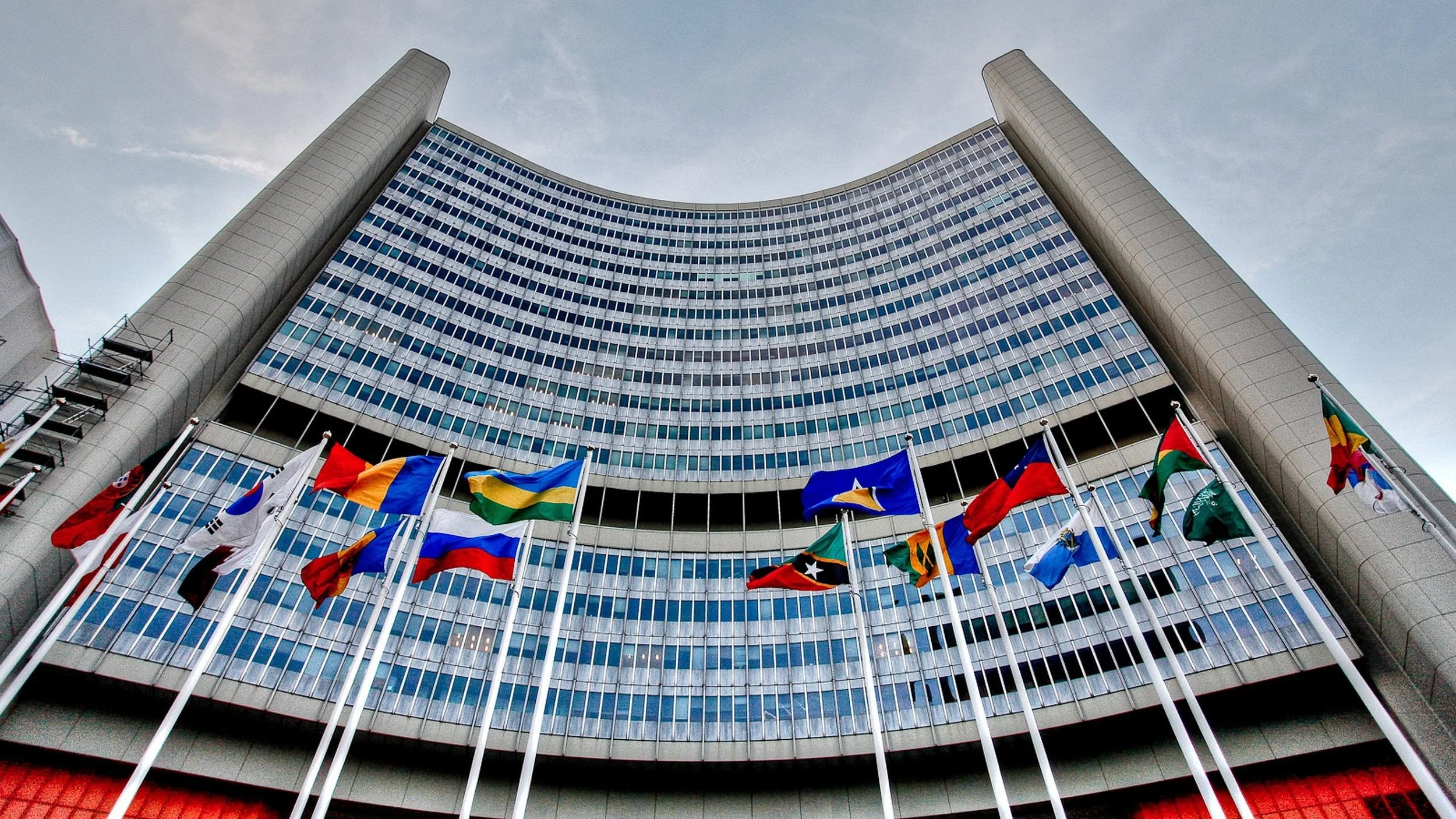
International Atomic Energy Association (IAEA) Details
What Is the International Atomic Energy Agency (IAEA)?
The International Atomic Energy Agency (IAEA) is a key international organization dedicated to promoting the peaceful use of nuclear energy while preventing its use for military purposes, including nuclear weapons. Established in 1957, the IAEA supports member states by providing technical assistance, conducting safeguards and inspections, and facilitating international cooperation in nuclear science and technology. Its mission includes verifying compliance with nuclear non-proliferation agreements, enhancing nuclear safety and security, and promoting sustainable development through nuclear applications. The agency operates as an independent entity reporting to both the United Nations General Assembly and Security Council, playing a vital role in global efforts to maintain nuclear peace and security.
Topics
Combating the proliferation of nuclear weapons and guaranteeing the integrity of non-warfare nuclear facilities
This topic involves addressing the challenges of combating the proliferation of nuclear weapons and ensuring the security and integrity of nuclear facilities not involved in warfare. It examines the international frameworks, regulatory measures, and verification mechanisms designed to prevent the spread of nuclear arms, including the role of treaties such as the Non-Proliferation Treaty (NPT) and the efforts of organizations like the International Atomic Energy Agency (IAEA). The discussion also considers the difficulties in monitoring nuclear activities, preventing illicit trafficking, and safeguarding peaceful nuclear infrastructure against sabotage or attack. Additionally, it explores the impact of proliferation issues on global security, diplomatic relations, and disarmament initiatives.
Re-establishing the Iranian Nuclear Deal and mitigating the Iranian-US-Israeli conflict
Re-establishing the Iranian Nuclear Deal is critical to de-escalating tensions between Iran, the US, and Israel. Diplomatic efforts must focus on restoring mutual compliance with the agreement’s terms, ensuring strict verification and transparency. Confidence-building measures, including phased sanctions relief and parallel security assurances, are essential to fostering trust. Addressing regional security concerns requires inclusive dialogue involving all stakeholders to prevent further conflict escalation. Sustainable peace depends on honoring sovereignty, respecting international law, and committing to constructive engagement that reduces the risk of military confrontation and promotes long-term stability in the Middle East.