Human Rights Council (HRC) Details
What Is the Human Rights Council?
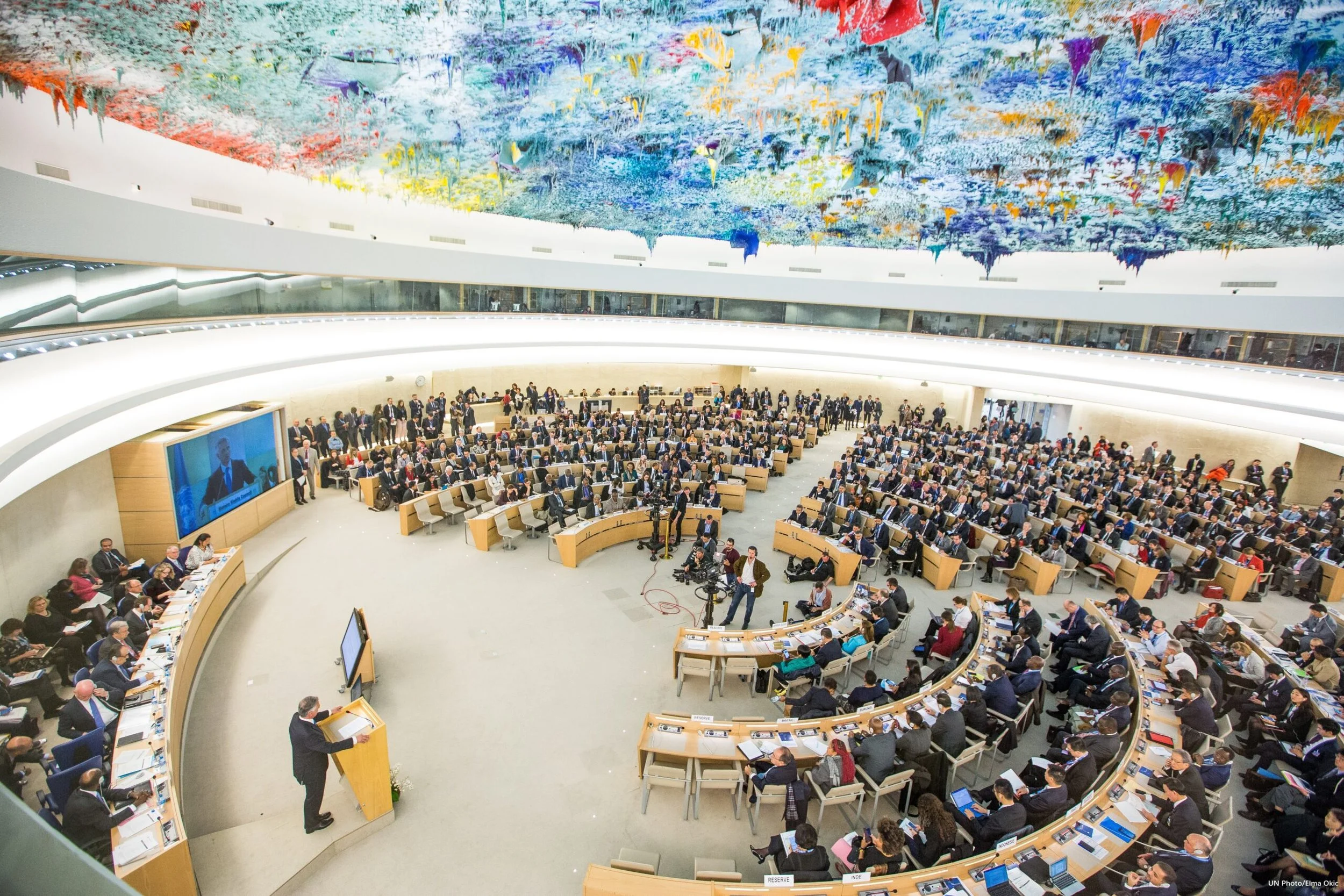
The United Nations Human Rights Council (UNHRC) is one of the most important committees of the United Nations, primarily responsible for promoting and protecting human rights around the world. It has the authority to investigate human rights violations, recommend actions to improve human rights conditions, and facilitate dialogue among member states on human rights issues. The Council is composed of 40 members elected by the General Assembly for staggered three-year terms, with membership distributed to ensure geographical representation. The UNHRC plays a crucial role in addressing human rights abuses, supporting accountability, and fostering international cooperation to uphold the dignity and rights of all individuals under the framework of international human rights law.
Topics
Addressing the ethnic cleansing against the Rohingya in Myanmar.
This topic involves evaluating the possibilities and conditions under which the ethnic cleansing against the Rohingya in Myanmar can be effectively addressed and halted. This topic examines the humanitarian, political, and legal factors that influence efforts to end the violence, including the roles and responsibilities of the Myanmar government, international organizations, and regional actors. It also considers the challenges to achieving justice and reconciliation, such as access to affected areas, accountability for perpetrators, and protection of displaced populations, as well as the broader implications for human rights, regional stability, and international cooperation.
Combating forced and child labour in vulnerable regions
Combating forced and child labour in vulnerable regions requires immediate and coordinated international action. Strengthening legislative frameworks and ensuring their transparent, accountable enforcement is essential to protect at-risk populations from exploitation. Effective monitoring systems must be established, supported by empowered local institutions and robust international cooperation. Sustainable economic development initiatives should accompany these efforts, providing education and viable alternative livelihoods to break the cycle of poverty that fuels forced and child labour. Long-term progress depends on global recognition of labour rights as fundamental human rights, backed by genuine commitment from governments, businesses, and civil society to eradicate these abuses worldwide.