Historical Security Council (HSC) Details
What Is Historical Security Council?
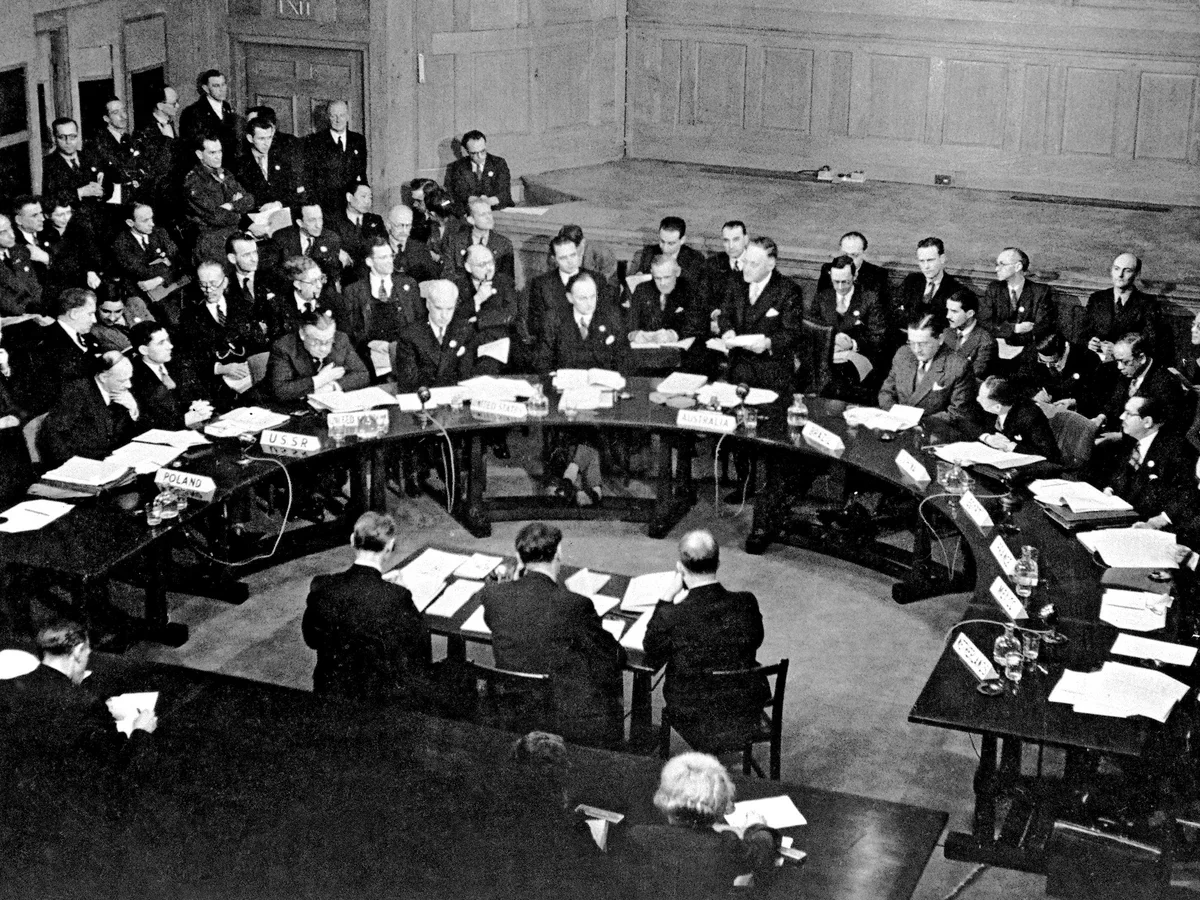
The Historical Security Council refers to the original formation and function of the United Nations Security Council (UNSC) as established in 1945. Initially designed to maintain international peace and security in the post-World War II era, this body had the authority to identify threats to peace, propose peaceful dispute resolutions, and implement actions such as sanctions or military interventions when necessary. Comprising 15 members, it included five permanent members with veto powers—China, France, Russia (then the Soviet Union), the United Kingdom, and the United States—and ten non-permanent members elected for two-year terms. The Historical Security Council played a foundational role in shaping the international order, addressing early Cold War tensions, and setting precedents for diplomatic conflict resolution within the United Nations framework.
Topics
Addressing the war in Bosnia and the Bosnian Genocide (1995 Srebrenica Massacre)
This topic involves addressing the war in Bosnia and the Bosnian Genocide, focusing on the 1995 Srebrenica Massacre. It examines the historical, political, and social factors that contributed to the conflict and the genocide, including ethnic tensions, nationalist agendas, and international responses. The discussion includes the roles and responsibilities of various actors, such as local governments, international organizations, and peacekeeping forces, in preventing violence and delivering justice. It also considers the challenges of reconciliation, accountability through war crime tribunals, and the reconstruction of trust among affected communities. Additionally, the topic explores the implications for international humanitarian law and the prevention of future genocides.
Addressing foreign involvement and war crimes in the Vietnam War (October 26th 1971)
The examination of foreign involvement and war crimes during the Vietnam War (26 October 1971) must urgently account for the profound geopolitical and humanitarian ramifications that followed. Essential diplomatic initiatives are required to uphold international law and respect state sovereignty, ensuring transparent and accountable conduct by all actors implicated. Security priorities should focus on protecting civilian populations from the consequences of hostilities, supported by impartial international monitoring and comprehensive humanitarian relief. A thorough post-conflict framework is vital, encompassing the withdrawal of external forces accompanied by clear measures to restore stability and protect the rights of affected communities. Sustainable peace and regional reconciliation rely on confronting the wider effects of foreign intervention, delivering justice for war crimes, and cultivating a sincere international commitment to conflict resolution, accountability, and reconstruction.