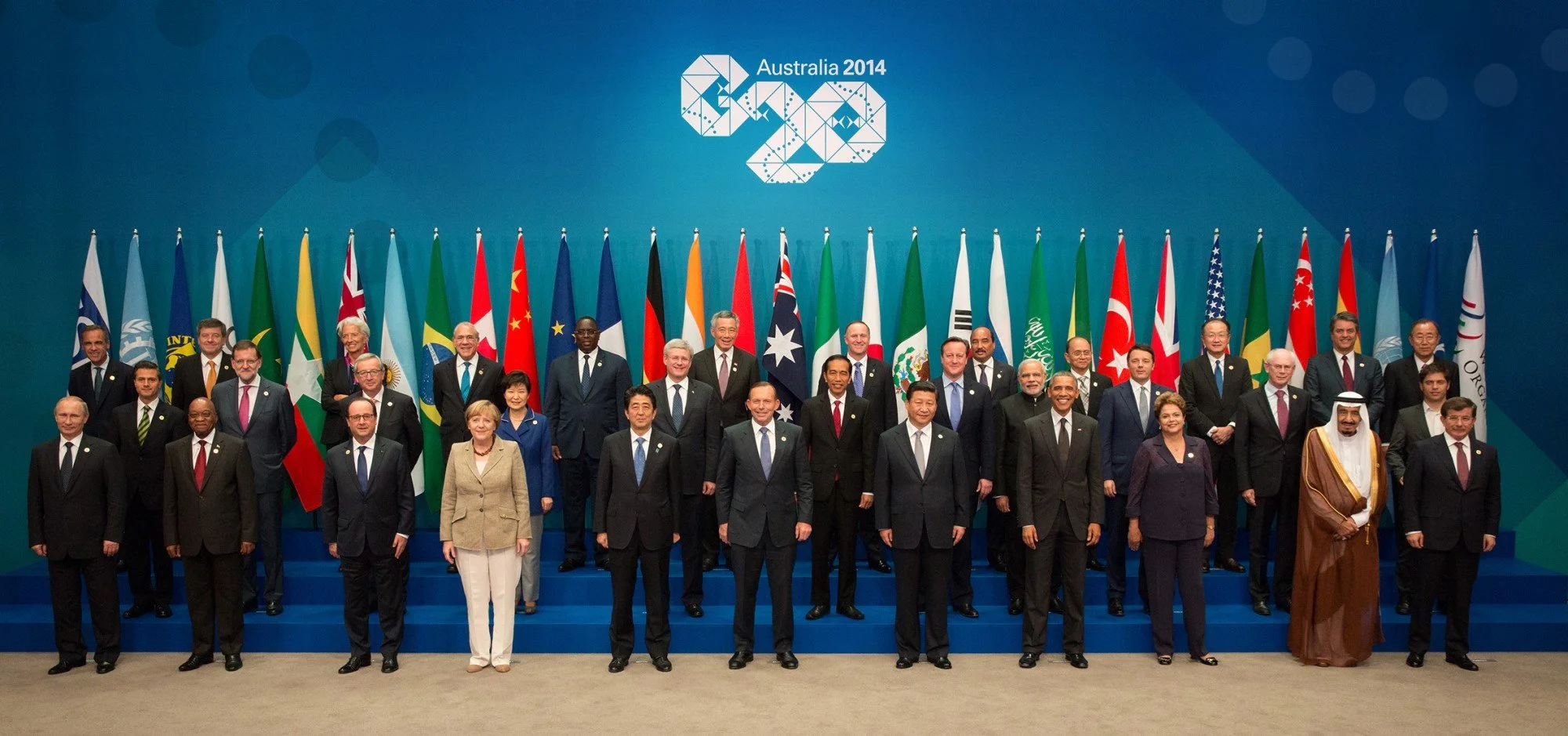
Group of 20 (G20) Details
What Is the Group of 20 (G20)?
The Group of 20 (G20) is a premier international forum for governments and central bank governors from 19 countries and the European Union, focusing on global economic governance. Established in 1999, the G20 aims to foster international financial stability and promote sustainable economic growth. It addresses key issues such as global trade, investment, innovation, climate change, and development. The G20 members represent the world’s largest economies, encompassing both developed and emerging nations, making up about 85% of global GDP and two-thirds of the world’s population. Through annual summits and ongoing dialogue, the G20 plays a vital role in coordinating policies that contribute to global economic resilience and inclusive growth.
Topics
Tackling the unfair trade practices of member states and removing trade barriers between member states
This topic involves analyzing the unfair trade practices employed by member states and the strategies for removing trade barriers between them. It examines the impact of these practices on global trade fairness and economic development, considering the interests and concerns of affected countries. The discussion includes the evaluation of multilateral agreements, dispute resolution mechanisms, and the role of international organizations in promoting equitable trade. It also addresses the challenges of harmonizing trade policies, overcoming protectionism, and ensuring compliance with agreed standards. Furthermore, the topic explores the broader implications of enhanced trade cooperation for economic growth, regional integration, and international relations.
Transitioning to cleaner energy
The transition to cleaner energy is a critical step toward mitigating climate change and ensuring sustainable development. Essential policy reforms should focus on increasing investment in renewable energy sources such as solar, wind, and hydroelectric power, coupled with incentives for innovation and clean technology adoption. Infrastructure upgrades must prioritize energy efficiency and support the integration of decentralized, renewable energy systems. Regulatory frameworks need to enforce strict emissions reductions while ensuring energy access and affordability for all communities. International collaboration is vital for sharing technology, knowledge, and financing, fostering a global commitment to reducing carbon footprints. Long-term success relies on inclusive policies that balance environmental goals with economic growth and social equity.