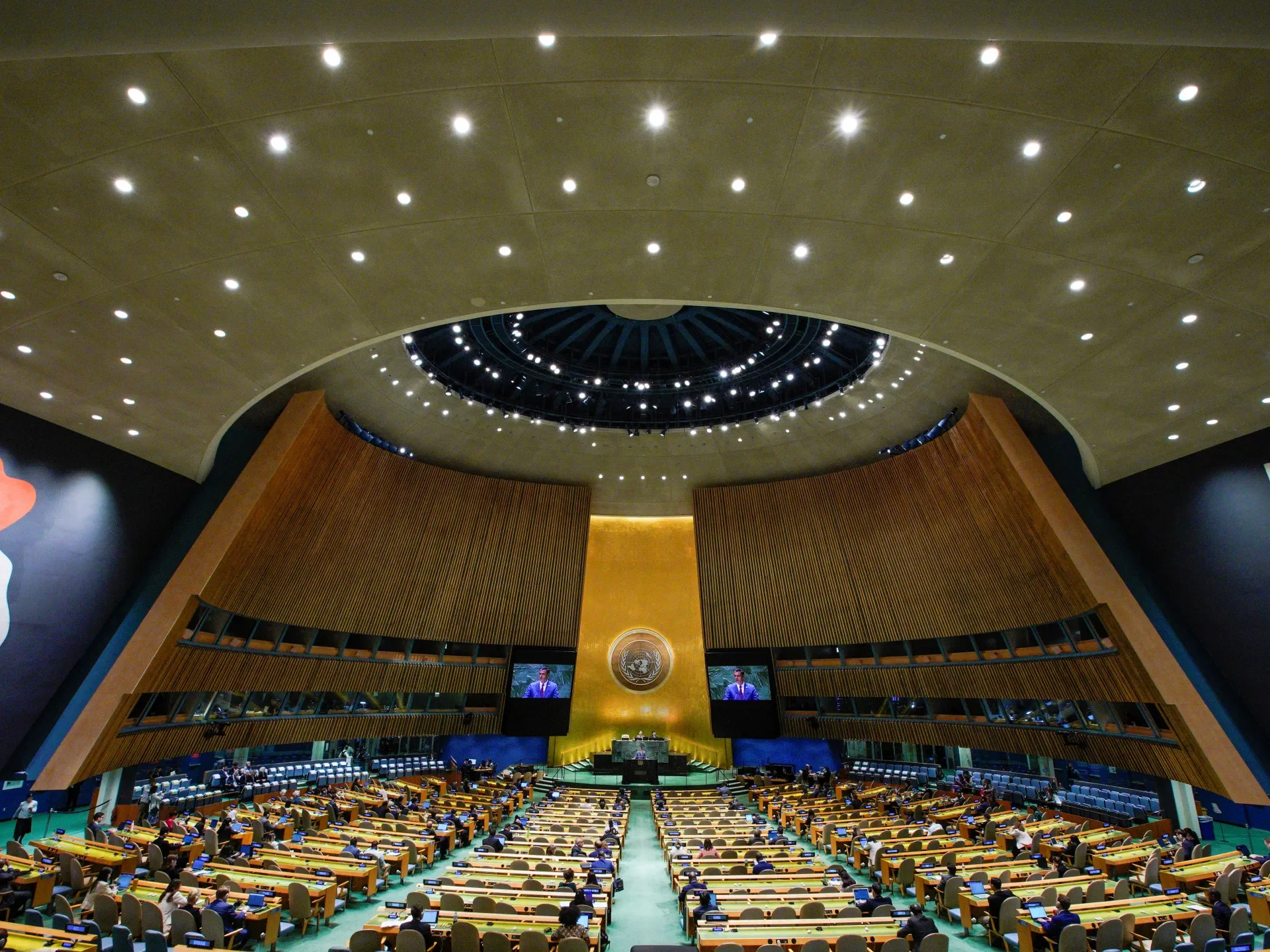
General Assembly 3 (SOCHUM) Details
What Is General Assembly 3 (SOCHUM)?
The United Nations General Assembly Third Committee (SOCHUM) focuses on social, humanitarian, and human rights issues worldwide. It addresses matters related to the promotion and protection of human rights, the advancement of fundamental freedoms, and the coordination of humanitarian affairs. SOCHUM is responsible for reviewing reports from various human rights bodies and discussing topics such as refugees, the treatment of detainees, and the fight against discrimination. Comprising all 193 UN Member States, the General Assembly provides a broad platform for global dialogue and cooperation on social justice and humanitarian concerns, playing a vital role in shaping international norms and policies in these areas.
Topics
Addressing the Social Impact of Human Capital Flight in Low-Income Countries
This topic involves exploring the social impact of human capital flight in low-income countries. It examines the causes and conditions contributing to the migration of skilled professionals, including economic, educational, and political factors that drive individuals to seek opportunities abroad. The discussion addresses the consequences for the countries of origin, such as workforce shortages, reduced access to essential services, and the weakening of institutional capacity. It also considers the potential strategies to mitigate these effects, including policy reforms, investment in education and training, and international cooperation. Additionally, the topic evaluates the balance between the benefits of diaspora engagement and remittances versus the challenges posed by brain drain, as well as the broader implications for social development and economic growth.
Protecting the rights of Indigenous people and ethnic/religious minorities from discrimination and genocide
Protecting the rights of Indigenous people and ethnic/religious minorities from discrimination and genocide demands immediate and comprehensive action. International frameworks must be rigorously enforced to prevent systemic abuses and ensure accountability for violations. Strengthening local governance with transparent and inclusive leadership is essential to uphold these communities’ rights. Security policies should guarantee effective safeguards against violence, supported by vigilant international monitoring. Sustainable solutions require collaboration between states and minority groups, fostering trust and respect for cultural identities. Lasting peace and justice depend on acknowledging historical injustices and committing to protective measures that honor the dignity and rights of all Indigenous and minority populations.