Council of the EU Details
What Is the Council of the EU?
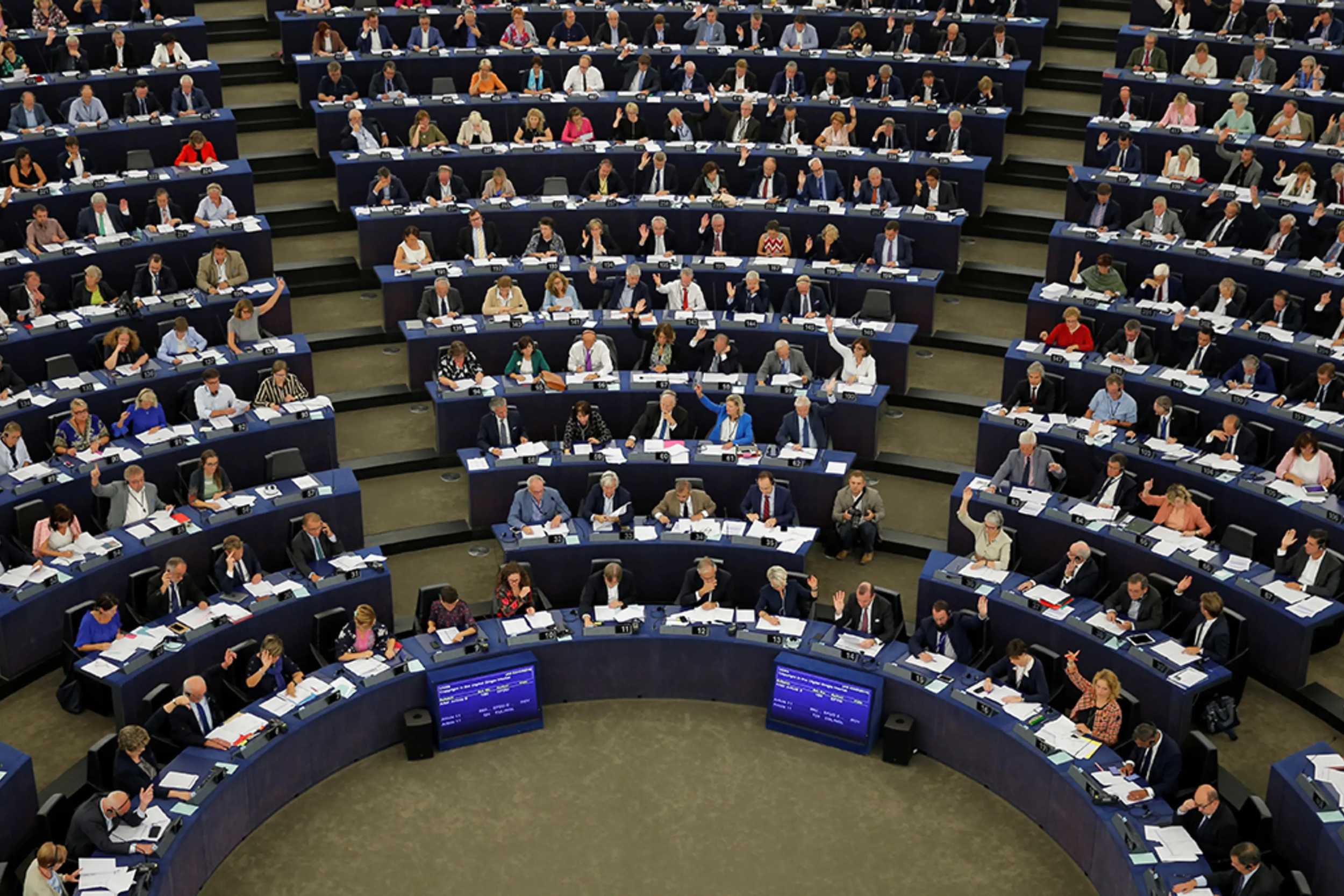
The Council of the European Union (Council of the EU) is a key institution of the European Union, responsible for representing the governments of the EU member states. It shares legislative and budgetary powers with the European Parliament and plays a central role in shaping EU policies and laws. The Council negotiates and adopts EU legislation, coordinates member states’ policies, develops the EU's foreign and security policy, and approves the EU budget alongside the Parliament. Its composition varies depending on the policy area under discussion, with ministers from each member state participating. The Council operates through a qualified majority voting system for most decisions, facilitating consensus and cooperation among its 27 member countries. It is instrumental in driving European integration and ensuring that national interests are balanced with collective EU goals.
Topics
Addressing the issue of European Defense cooperation, deterrence, and readiness.
This topic involves assessing the frameworks and strategies necessary to enhance European defense cooperation, deterrence, and readiness. It examines the political, military, and economic factors that influence collaboration among European nations, including the alignment of defense policies, resource sharing, and joint training initiatives. The discussion highlights the role of institutions such as NATO and the European Union in coordinating defense efforts and the impact of external threats on collective security. It also considers the challenges to effective cooperation, such as differing national priorities, budget constraints, and technological disparities, as well as the implications for regional stability, crisis management, and the broader international security architecture.
Addressing foreign-sponsored political extremism.
Addressing foreign-sponsored political extremism requires a multi-faceted approach centered on safeguarding national sovereignty and promoting inclusive dialogue. Governments must implement robust legal frameworks to identify and prevent external interference in domestic political processes while respecting fundamental freedoms. Increased transparency in political financing and media ownership is essential to expose and deter covert foreign influence. International cooperation is critical to share intelligence and coordinate actions against extremist networks backed by foreign actors. Building resilient societies involves education programs that foster critical thinking and civic engagement, reducing susceptibility to extremist narratives. Sustainable peace and stability hinge on a global commitment to uphold democratic principles and counter politically motivated foreign intervention with both diplomatic and legal measures.